
Financial stagnation is often framed as an income problem. In many cases, it is a discipline and execution problem. Laziness in financial management does not appear dramatic. It appears as delay, avoidance, and passive drift. The cost compounds quietly. The following patterns directly suppress wealth accumulation.
1. Avoiding Budgeting and Expense Tracking
Refusing to track money guarantees leakage. Unmeasured spending expands without resistance.
Consequences:
- Recurring overdrafts
- Credit card dependence
- No savings buffer
- Lifestyle inflation without awareness
A budget is not restrictive. It is a control mechanism. Avoiding it preserves financial chaos.
2. Ignoring Skill Development
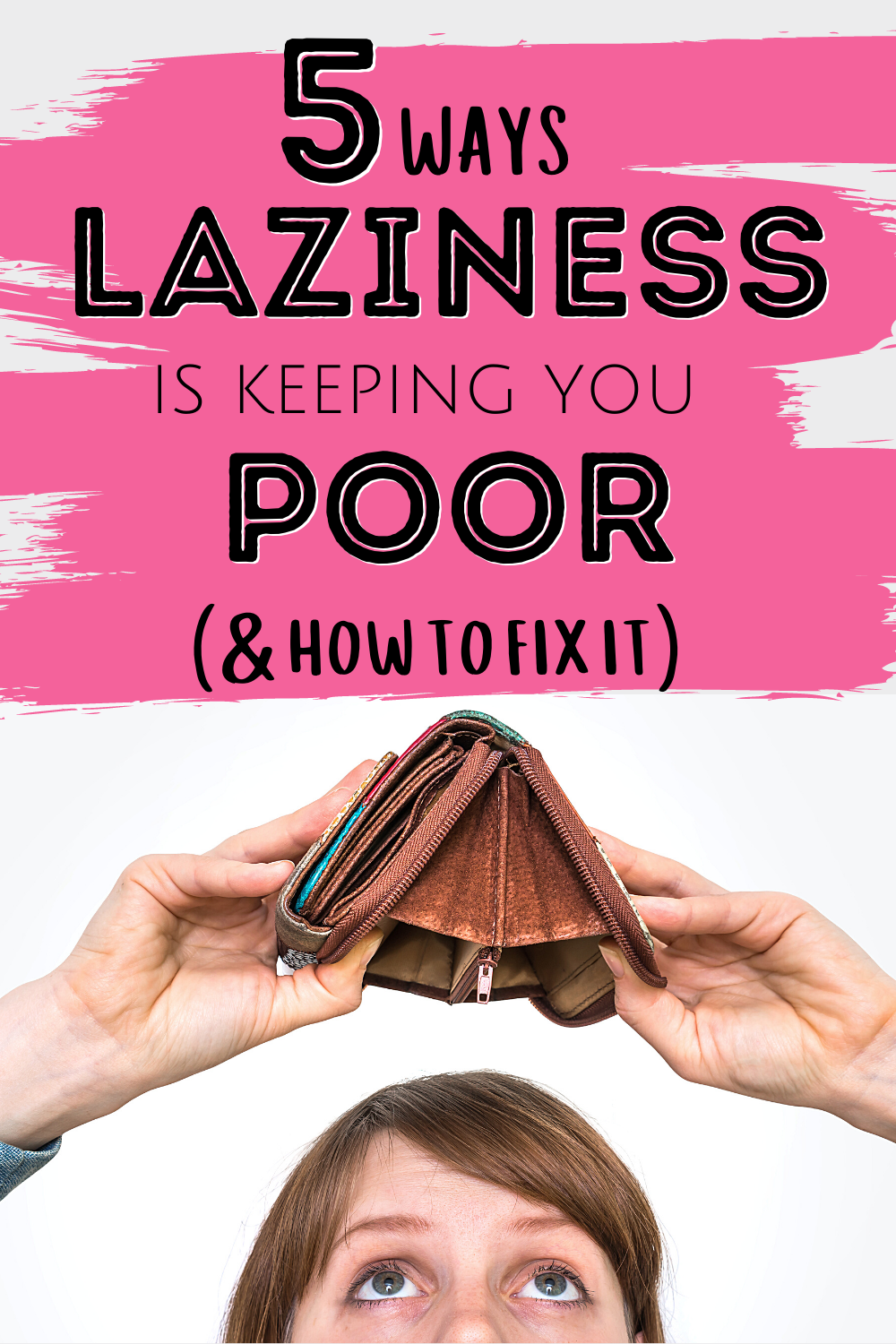
Money saving tips to stop laziness from making you poor. How to get proactive with your finances, save money and stop being broke.
Income growth correlates with marketable skills. Passive consumption of entertainment replaces skill acquisition.
Results:
- Stagnant wages
- Limited promotion opportunities
- Dependence on fixed salary ceilings
- Reduced bargaining power
Labor markets reward capability. Skill neglect reduces earning leverage.
3. Procrastinating on Investing
Delaying investing sacrifices compounding time. Compound growth is exponential, not linear.
Example:
- $500 monthly invested at 8% annually over 30 years produces significantly more than starting 10 years later.
Laziness toward learning basic investing mechanics converts into decades of lost growth.
4. Allowing Lifestyle Inflation to Expand Unchecked
Higher income followed by higher spending preserves financial fragility.
Patterns include:
- Upgrading vehicles unnecessarily
- Increasing housing costs after raises
- Expanding subscriptions and discretionary spending
Failure to maintain cost discipline eliminates surplus capital for asset building.
5. Avoiding Hard Financial Decisions
Difficult decisions include:
- Downsizing housing
- Selling depreciating assets
- Eliminating toxic debt
- Changing careers for higher growth potential
Inaction preserves comfort but sustains financial stagnation.
Structural Impact of Financial Laziness
Laziness in money management produces:
- No emergency fund
- High-interest debt accumulation
- Minimal investment exposure
- Weak net worth growth
- Long-term dependence on earned income
Wealth requires sustained, deliberate action. Avoidance compounds losses as efficiently as disciplined habits compound gains.
Financial outcomes reflect daily behavior, not intention.