
A new financial cycle demands measurable action, not vague resolutions. Savings challenges function as structured behavior correction systems. Each model below is designed to increase liquidity, reduce spending leakage, and enforce disciplined capital allocation.
1. The 52-Week Savings Challenge
Structure:
Save an increasing amount each week for 52 weeks.
- Week 1: $1
- Week 2: $2
- Continue increasing by $1 weekly
- Week 52: $52
Total Saved: $1,378
Reverse execution—starting at $52 and decreasing weekly—front-loads discipline while motivation is strongest.
Purpose: Builds consistency and predictable accumulation.
2. The No-Spend Month Challenge
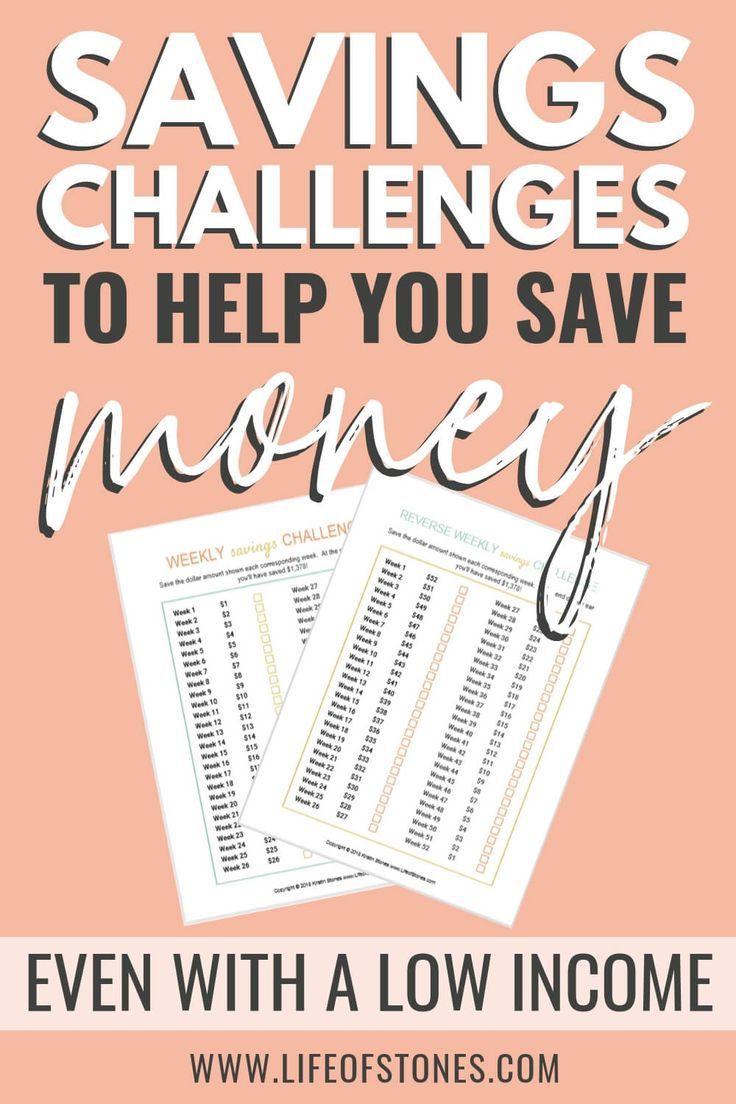
I had so much trouble saving money until I tried a few of these money savings challenges! These savings challenge printables helped me track my savings and gave me some saving money tips to help you save money for 52 weeks! These money saving challenges are a great savings plan even if you have a low income! #savingmoney #moneysavingtips
#Savings #Challenges #Boost #Savings #Year
Structure:
Eliminate all non-essential spending for 30 consecutive days.
Allowed:
- Housing
- Utilities
- Groceries
- Transportation
- Insurance
Blocked:
- Dining out
- Entertainment
- Impulse purchases
- Online shopping
Purpose: Resets consumption habits and exposes spending triggers. Immediate surplus creation.
3. The 30-Day Expense Tracking Challenge
Structure:
Track every dollar spent for 30 days. Categorize into:
- Fixed expenses
- Variable essentials
- Discretionary
Identify the lowest-value spending categories and eliminate them permanently.
Purpose: Awareness precedes control. Measurement eliminates denial.
4. The 50% Windfall Rule Challenge
Structure:
Save 50% of all unexpected income:
- Bonuses
- Tax refunds
- Freelance payments
- Gifts
- Commission spikes
Purpose: Prevent lifestyle inflation. Convert irregular income into asset-building capital.
5. The Fixed-Cost Reduction Challenge
Structure:
Within 60 days, reduce at least one major fixed expense:
- Housing
- Insurance
- Transportation
- Subscriptions
Options include renegotiation, refinancing, downgrading plans, or eliminating unnecessary services.
Purpose: Fixed costs define long-term financial trajectory. Lowering baseline expenses creates automatic recurring savings.
Strategic Outcome
Savings challenges are operational systems, not motivational tools. Surplus enables investment, debt elimination, and financial resilience. Consistency produces compounding results. Structured execution eliminates dependence on willpower.